With Opened Bible
Behold the Lamb of God
Fr. Dimitri
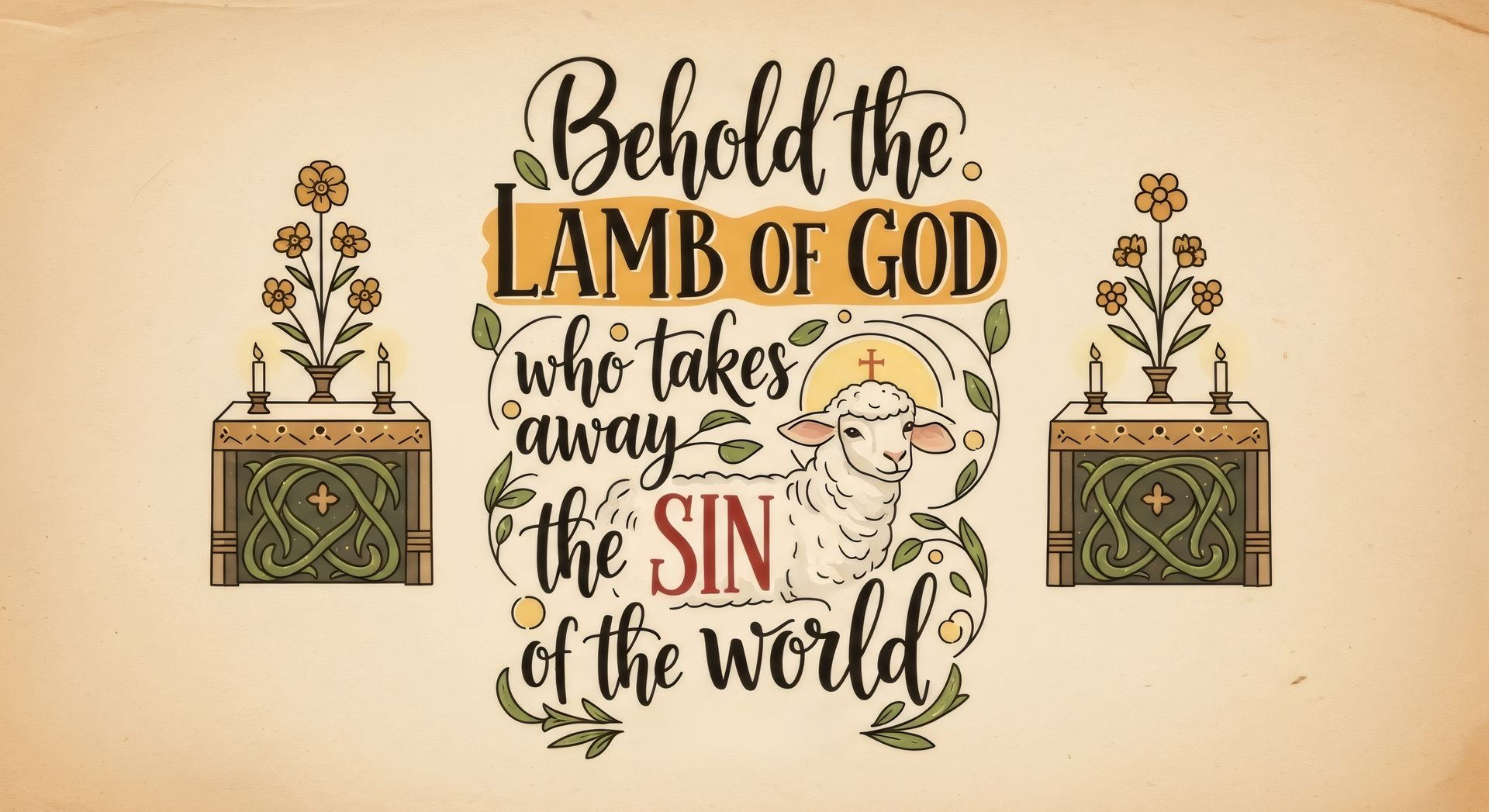
“Behold, the Lamb of God, who takes away the sin of the world.” (John 1,29)
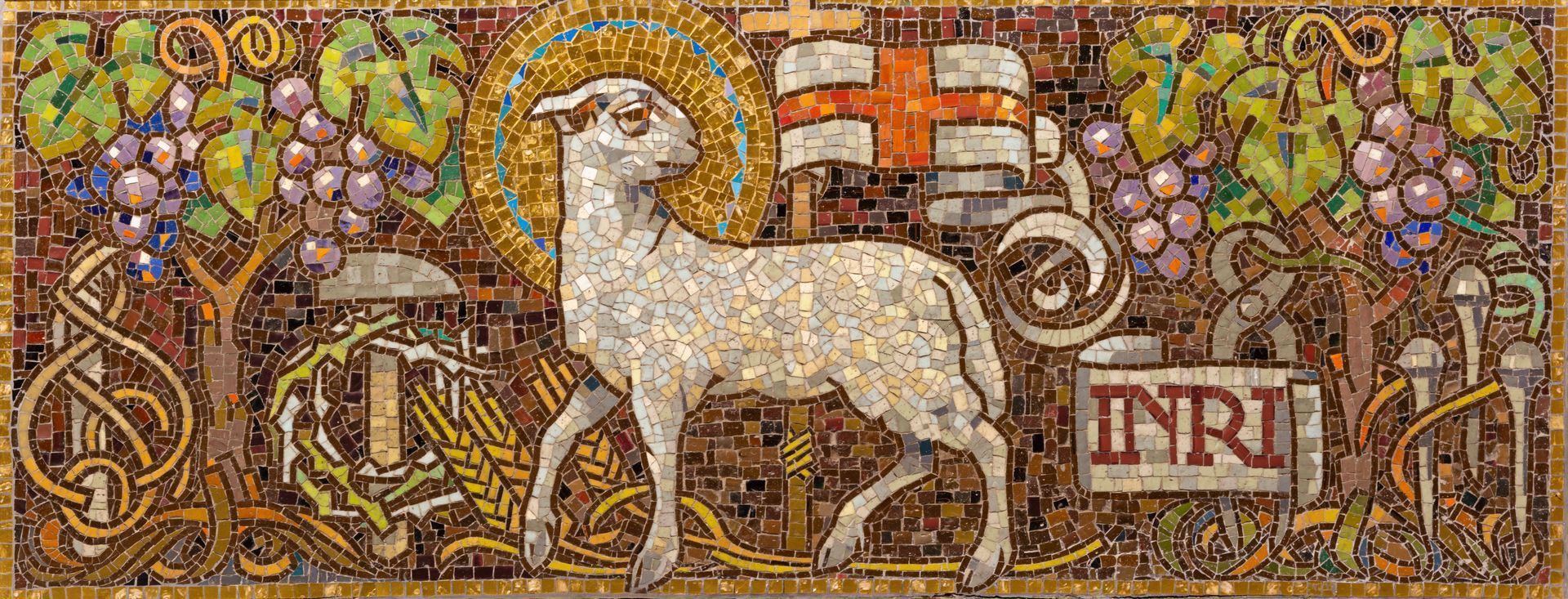
The time for recognizing salvation has arrived, and it is John the Baptist who points to the Savior. "Behold the lamb of God." (John 1:29) How did Jesus become the Lamb who takes away the sins of the world? What about the thousands of other lambs sacrificed according to the Law of Moses? In the Law of Moses, the sacrificial Lamb symbolized atonement for individual sins through slaughter. (See Leviticus 4:28, 32-33; 5:6)
Similarly, every year, at Yom Kippur (the Day of Atonement), the High Priest offered the blood of a sacrificial animal for his own sins and those of the people, but this ritual could not fully remove sins. It foreshadowed the true sacrifice that would satisfy God's wrath over human sins. For without blood there is no forgiveness or purification. (Cf. Hebrews 9:22) With Jesus, everything becomes different. His sacrifice is the ultimate fulfillment of all Old Testament sacrifice symbols, making it the decisive act of salvation. While the lambs were sacrificed annually without complete success, Jesus was sacrificed once and for all (ephah pax), and his sacrifice was effective. (Cf. 1 Peter 2:24; Hebrews 10:14)
By presenting Jesus as the Lamb, John the Baptist also revealed the profound truth of his Passion. It was on the cross, the altar of sacrifice, that Jesus fulfilled his mission as the Lamb of God. "For this happened so that the scripture passage might be fulfilled: 'Not a bone of it will be broken.'" And again another passage says: "They will look upon him whom they have pierced." (John 19:36-37) His death perfectly fulfilled the requirements of the Passover Lamb sacrificed for Israel's liberation. But Jesus is the Lamb who takes away not only Israel's sins but those of all people.