With Opened Bible
Pentecost vs Babel
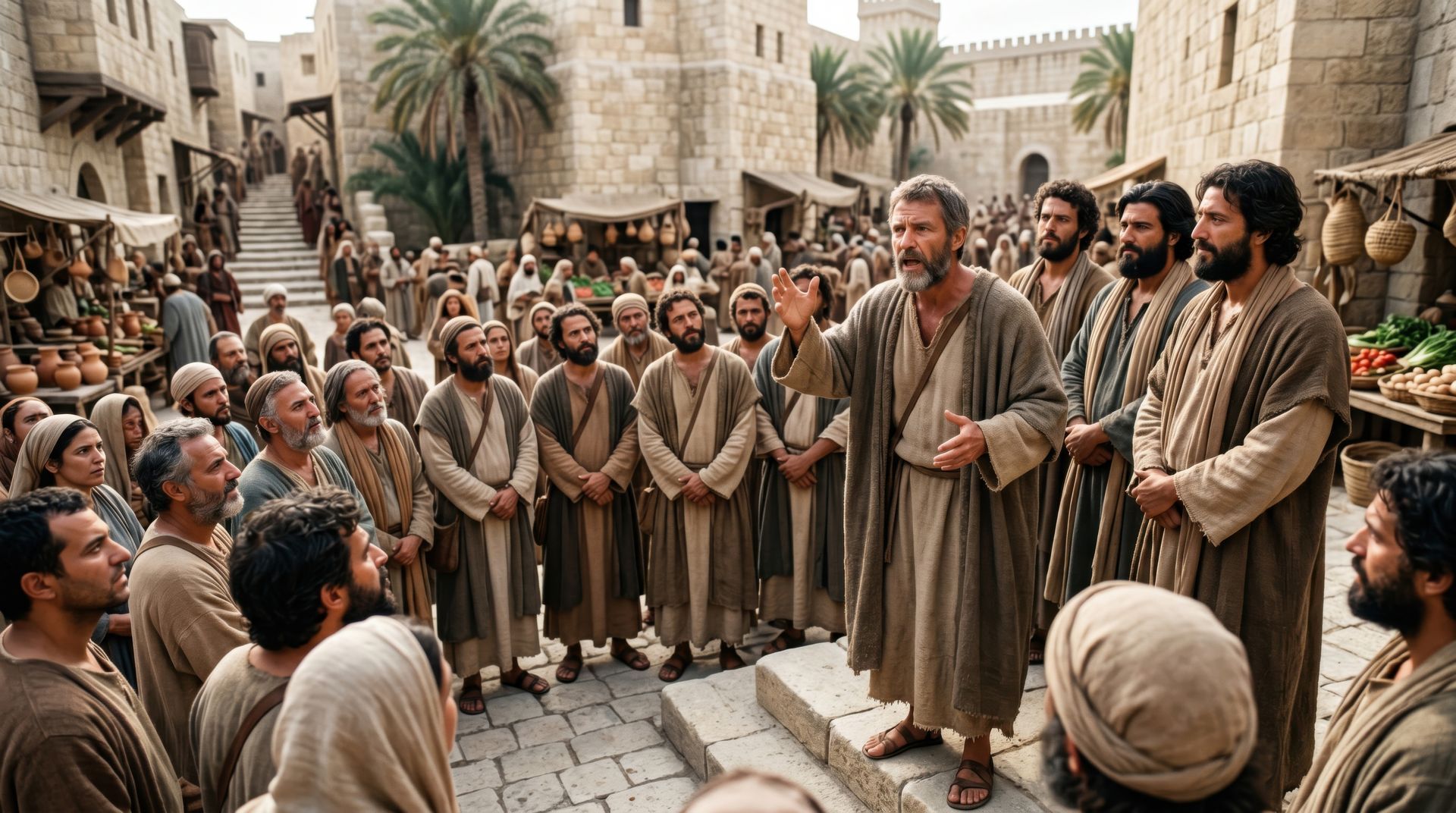
They were astounded, and in amazement they asked, "Are not all these people who are speaking Galileans? Then how does each of us hear them in his native language?”(Acts of The Apostles 2, 6-8)
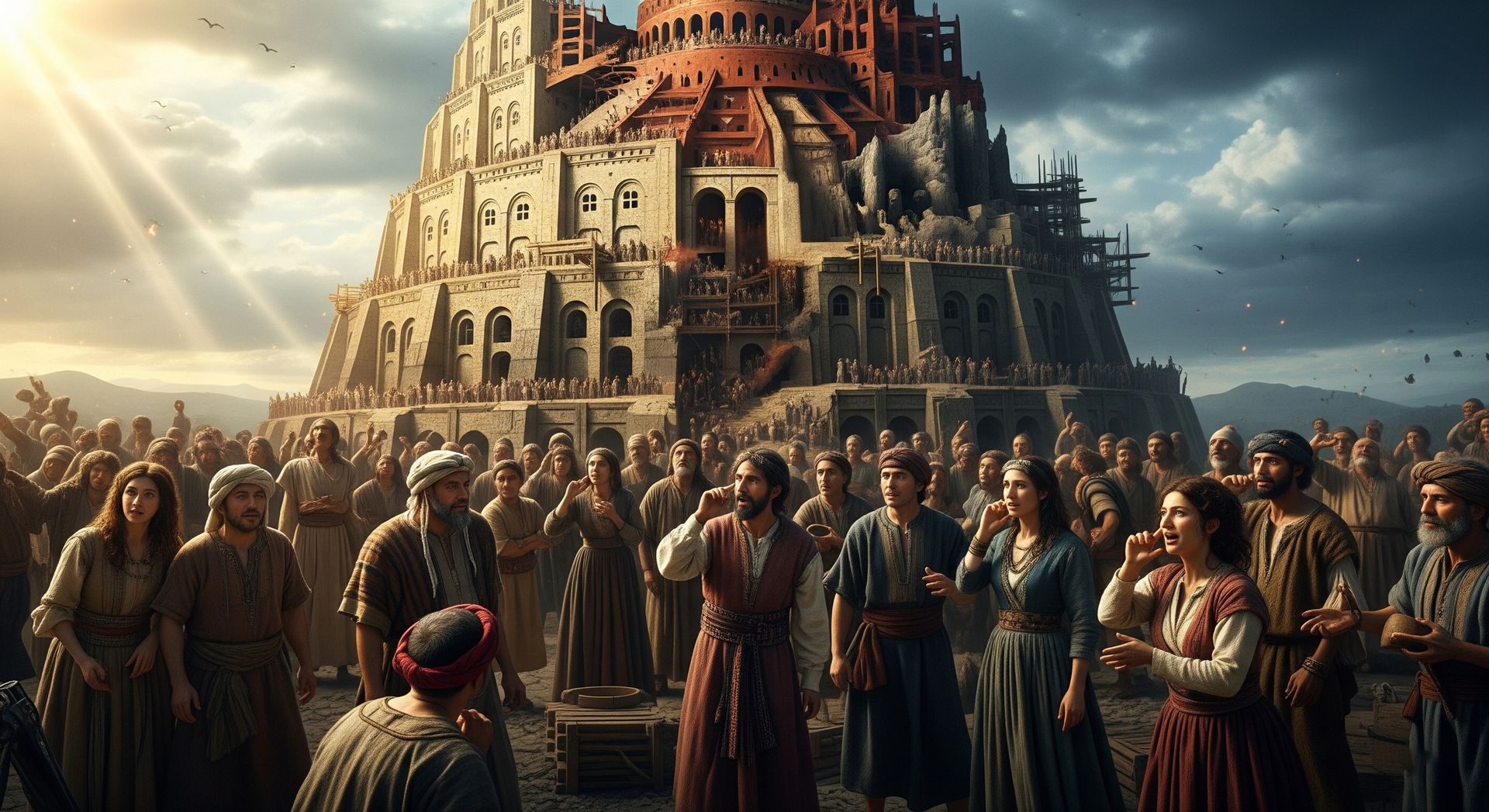
Fifty days (Pentecost) after the resurrection of Jesus, the Apostles, Mary, and other disciples were gathered in the Upper Room, awaiting the promise of the Holy Spirit. In the form of tongues of fire, He descend-ed upon each of them and set their hearts ablaze, empowering them to proclaim the Good News of salvation. (Cf. Acts of the Apostles 2:1–11) But what is the spiritual significance of this event, and why tongues? To answer this, let’s look back to the episode of the Tower of Babel. (Genesis 11:1–8) where humans decided to build a tower capable of rivaling the heavens.
At first glance, this task seemed impossible from a human perspective. But on a spiritual level, it was a different matter entirely. It was, in fact, an act of magic. They sought to enter the divine realm without having been invited. To prevent this, God sent upon them a spirit that divided them and rendered them unable to understand one another. That resulted in their dispersion throughout the world. At Pentecost, the exact opposite occurred. “They were astounded, and in amazement they asked, "Are not all these people who are speaking Galileans? Then how does each of us hear them in his native language?” (Acts of The Apostles 2, 6-8)
The Holy Spirit arrived and endowed His Church with the charism of tongues—a vital means of transmitting the Gospel throughout the world. And wherever there is "world," there are also tongues and dialects. "But you will receive power when the Holy Spirit comes upon you, and you will be my witnesses in Jerusalem, throughout Judea and Samaria, and to the ends of the earth." (Acts 1:8) The Spirit of Pentecost is the Spirit of the propagation of the Gospel. This gift aims at the universality of the world (*katholikos*): "Go, therefore, and make disciples of all nations, baptizing them in the name of the Father, and of the Son, and of the Holy Spirit." (Matthew 28:19)—whereas Babel sought to reduce humanity to a small, insular group closed off from the rest of the world. "Come, let us build ourselves a city and a tower with its top in the sky, and so make a name for ourselves; otherwise, we shall be scattered all over the earth." (Genesis 11:4)
Pentecost is God's answer to the folly of Babel. Unity in diversity answers the petty desire for uniformity.
May this message help us to understand, ever more deeply, that our God desires us to be universal within the uniqueness of love. “One Spirit but many gifts.” (1 Corinthians 12,12)