With Opened Bible
14th Sunday in Ordinary Time
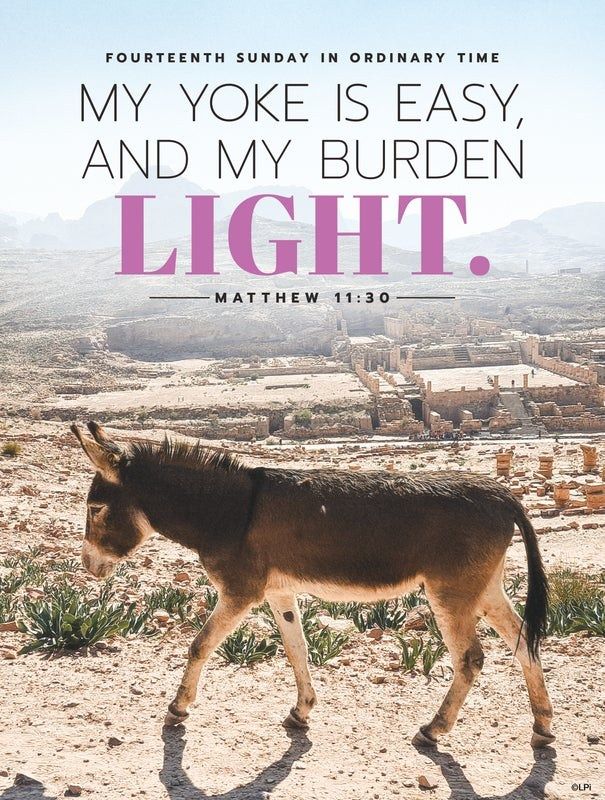
What is the connection between the Daughter of Zion (from the first reading) and the "little ones" (the poor) of whom Jesus speaks in the Gospel? Long before the birth of Jesus, the prophet Zechariah prophesied the coming of the One who would bring deliverance and glory to the Daughter of Zion (Zechariah 9). But who is the Daughter of Zion?
Among the prophets of both the pre-exilic and post-exilic periods, the expression "Daughter of Zion" refers to the Holy City of Jerusalem, the supreme place of the Divine presence. Furthermore, this expression conveys the relationship between God and His chosen people, Israel(cf. 2 Kings 19:21; Isaiah 1:8; Jeremiah 4:31).
It is in this same vein that the prophet Zechariah pro-claimed the time of the manifestation of the King who would save the "Daughter of Zion"—Jerusalem. Jesus fulfilled this promise when he entered Jerusalem riding on a donkey as the King of Glory (cf. Matthew 21:1–11). This fulfillment invites us to feel hope and reassurance that God's promises are truly fulfilled in Christ, inspiring trust in His ongoing care for His people.
On the other hand, the Gospel of Saint Matthew refers to the littles ones, (the poor in spirit) who have received the grace of knowing the mystery of the Kingdom. Who are they?
In biblical literature, the poor (anawim) are not merely those who lack material possessions. Rather, they are people who—despite great wealth and possessions—harbor a void in their hearts, a longing that only God can satisfy and fill. They place their hope in God for theirdeliverance and peace.
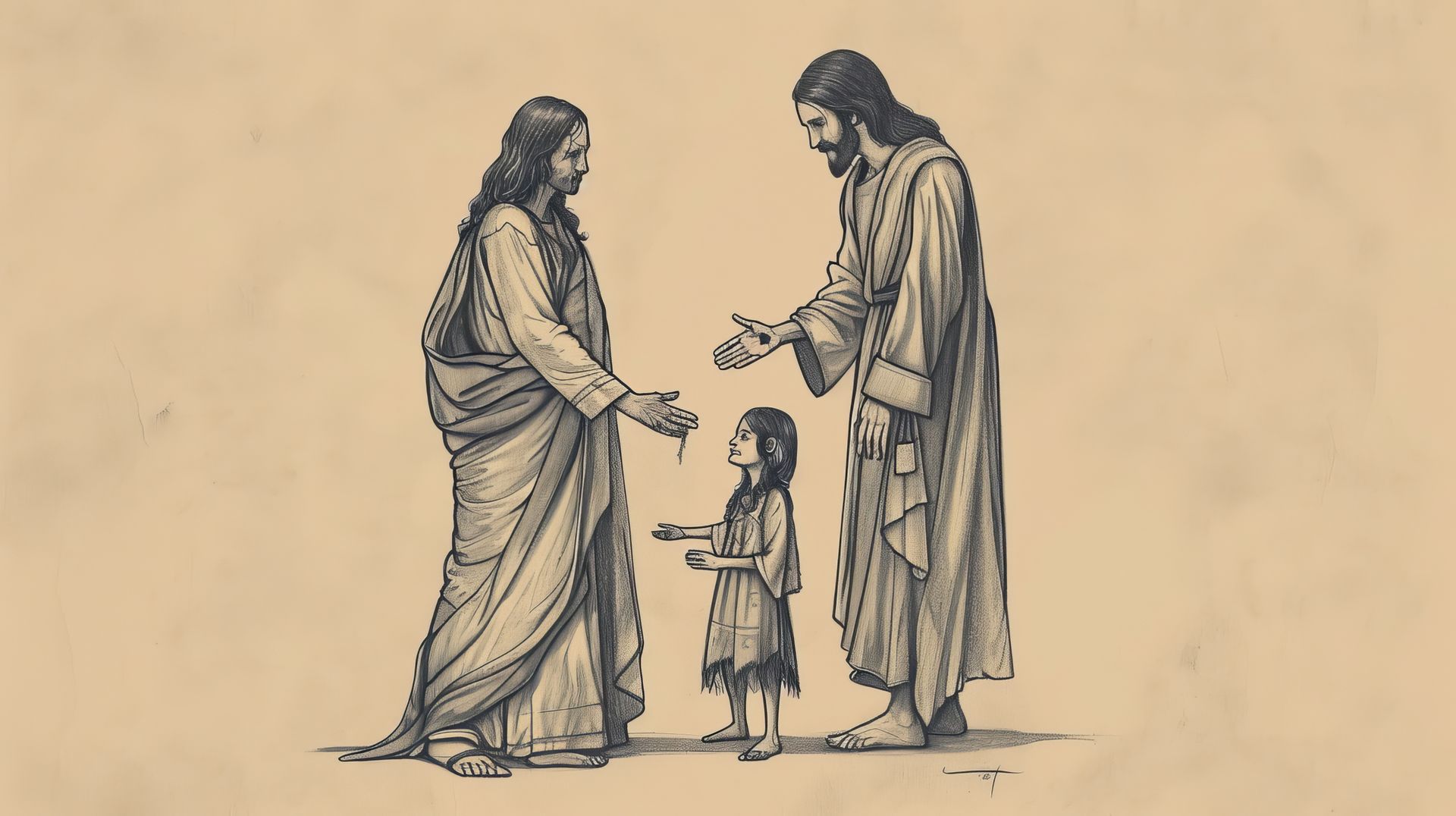
The 'Daughter of Zion' symbolizes Jerusalem and God's chosen people, and how Jesus, as the fulfillment, invites the littles ones (anawim) to find refuge in His mercy. When they come to Him, they experience His compassion and spiritual deliverance: 'Come to me, all you who labor and are burdened, and I will give you rest' (Matthew 11:28).