With Opened Bible
19th Sunday in Ordinary Time
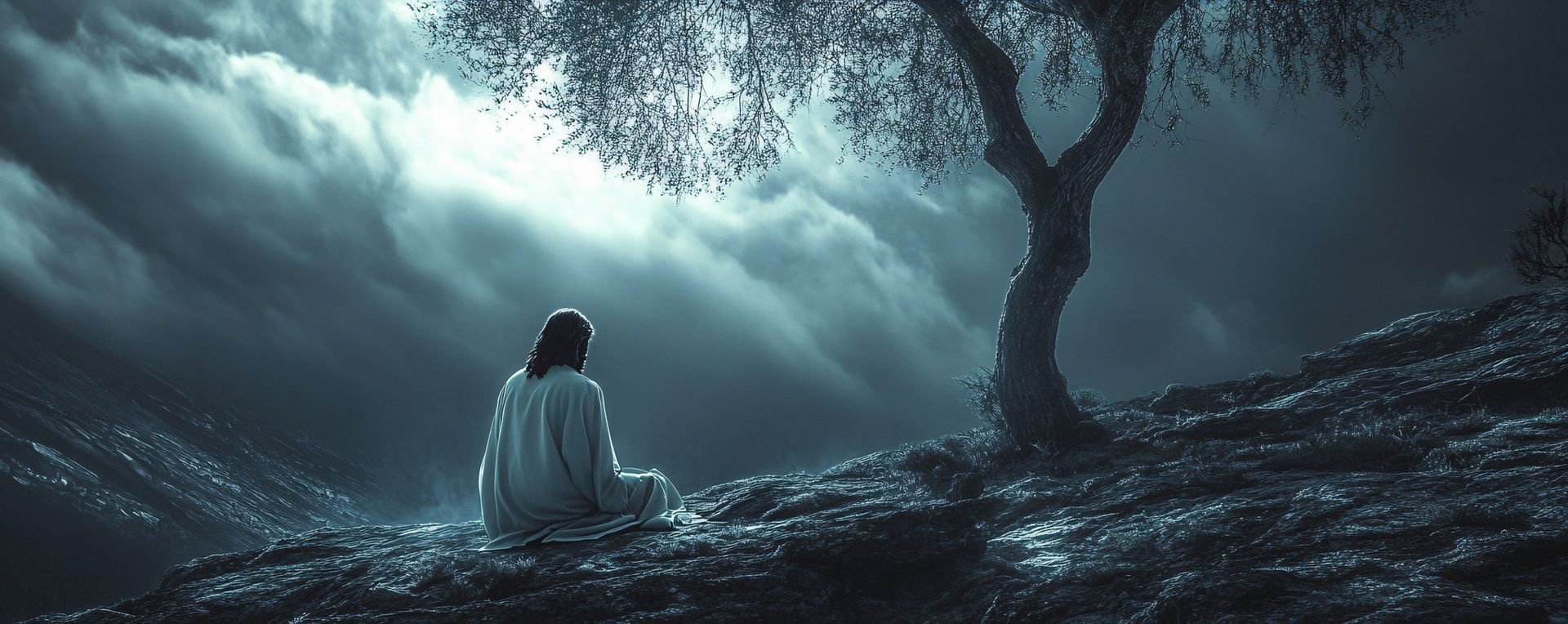
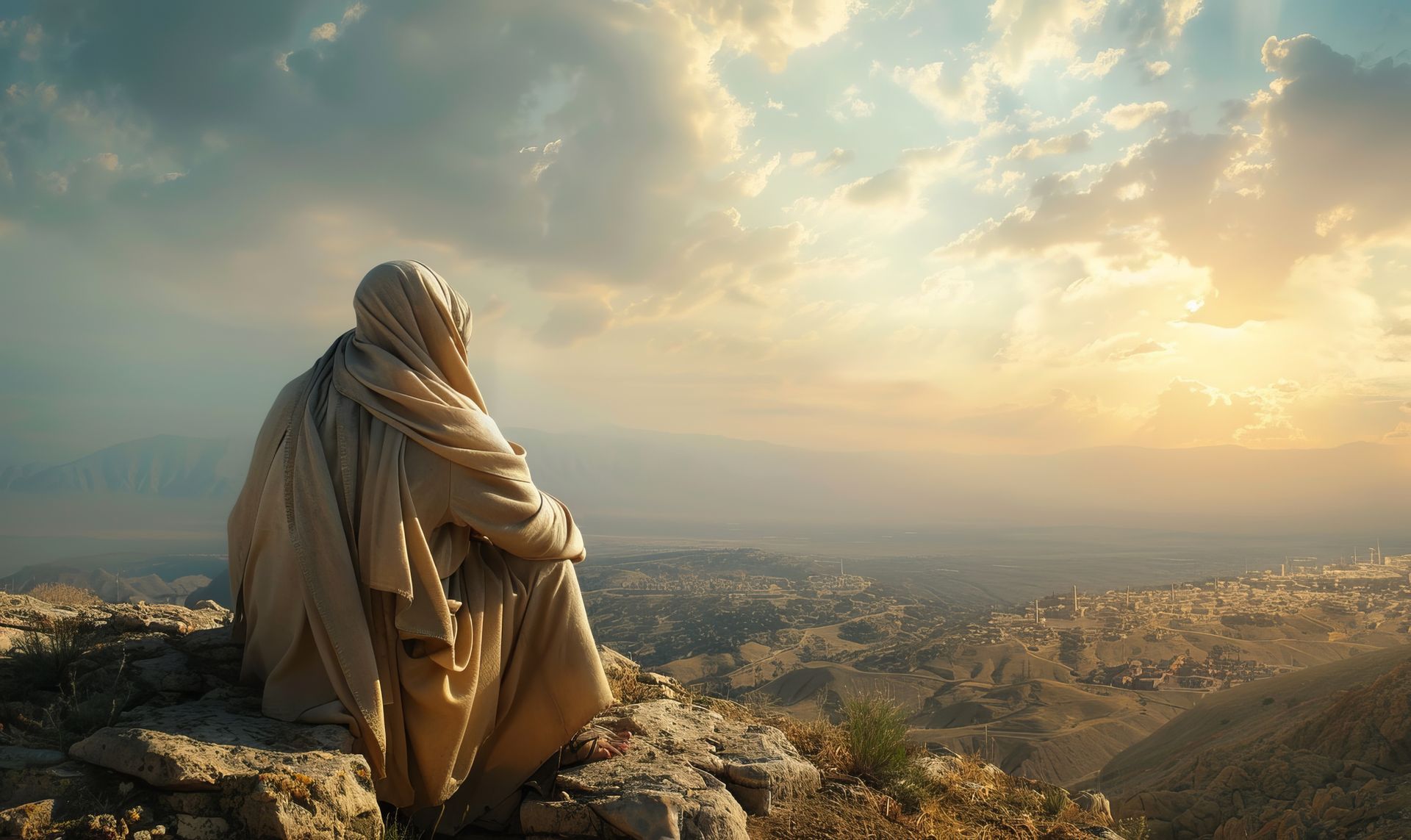
“At the mountain of God, Horeb.” (1 Kings 19,9) and “After doing so, Jesus went up on the mountain by
himself to pray.” (Matthew 14,23)
The first reading and the Gospel share several points in common. Elijah and Jesus sought refuge on the mountain; Elijah and Peter faced the powers of nature (winds, storms, tempests) and found comfort in the divine
presence. Yet, above all, the question remains: why the mountain and the sea?
In the Bible, the mountain is a sacred place—a symbol of the divine dwelling and a place of instruction. On Mount Moriah, Abraham offered Isaac as a sacrifice (Genesis 22:2); on Mount Sinai, Moses encountered God for the first time (Exodus 3:1); on Mount Tabor, Jesus was transfigured before His apostles (Luke 9:28); and King David sang, "I raise my eyes toward the mountains. From whence shall come my help?" (Psalm 120) (121)1). It was also on a mountain that Jesus sat down to teach the crowds (Matthew 5:1). Elijah and Moses sought the presence of the Almighty in a place that manifests His power.
The sea, however, is a different matter. It does not have a good reputation in the Bible; according to the Book of
Revelation, it is the lair of the Beast (Revelation 13:1). It also symbolizes the difficulties the Church must face. Yet, by walking on the water, Jesus sends us a powerful message: He is the Lord of all creation. And whoever clings to Him—like Peter, for instance—also possesses the power to master the forces of nature, reminding us of divine sovereignty over chaos.
But all of this requires only one thing: faith. It is the foundation that gives us strength to fulfill God's will—which is nothing less than the happiness and well-being of human-kind: 'O you of little faith, why did you doubt?' (Matthew 14:31). This highlights that faith is essential for hope and trusting in God's plan.