With Opened Bible
Third Sunday of Easter
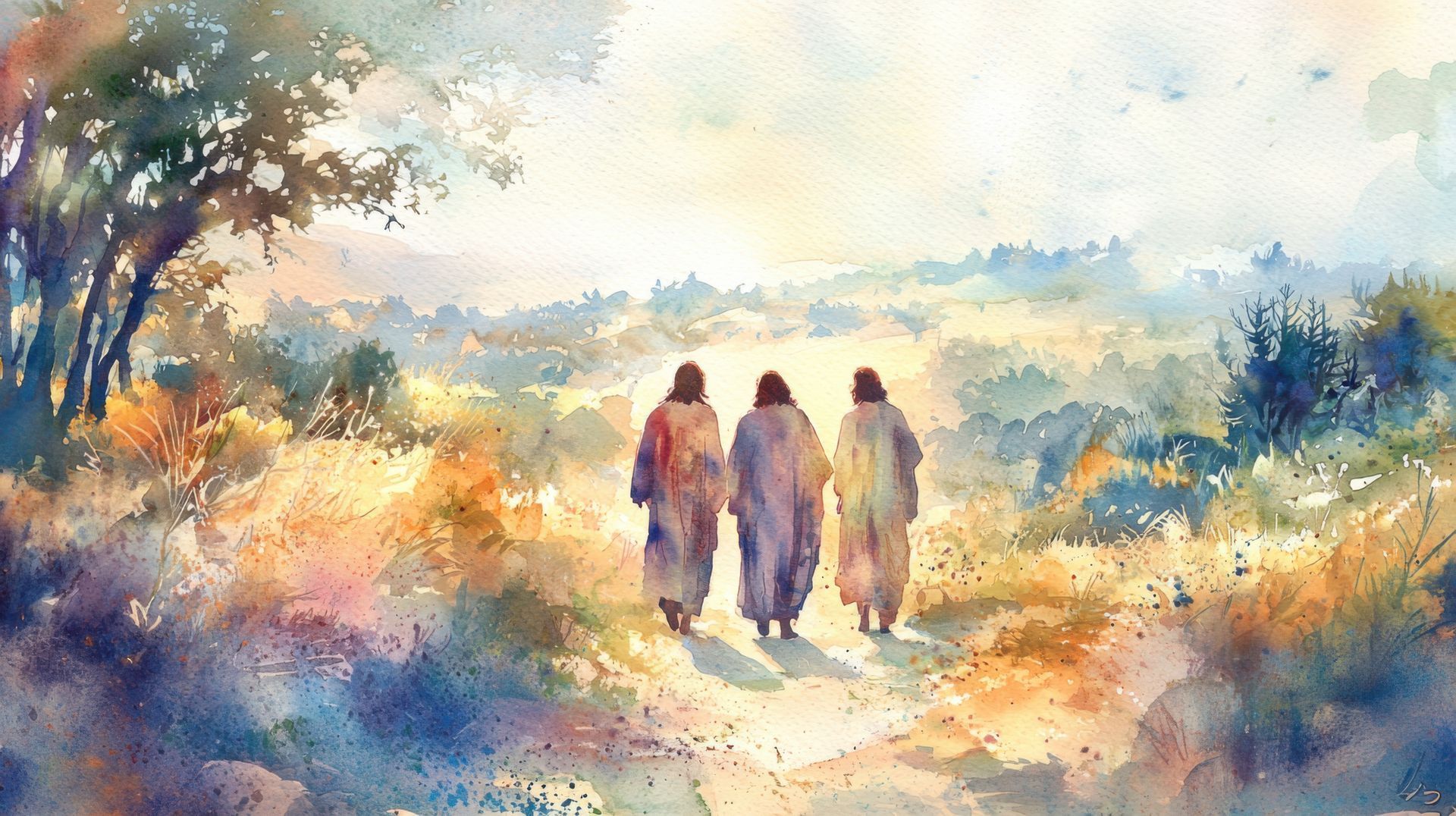
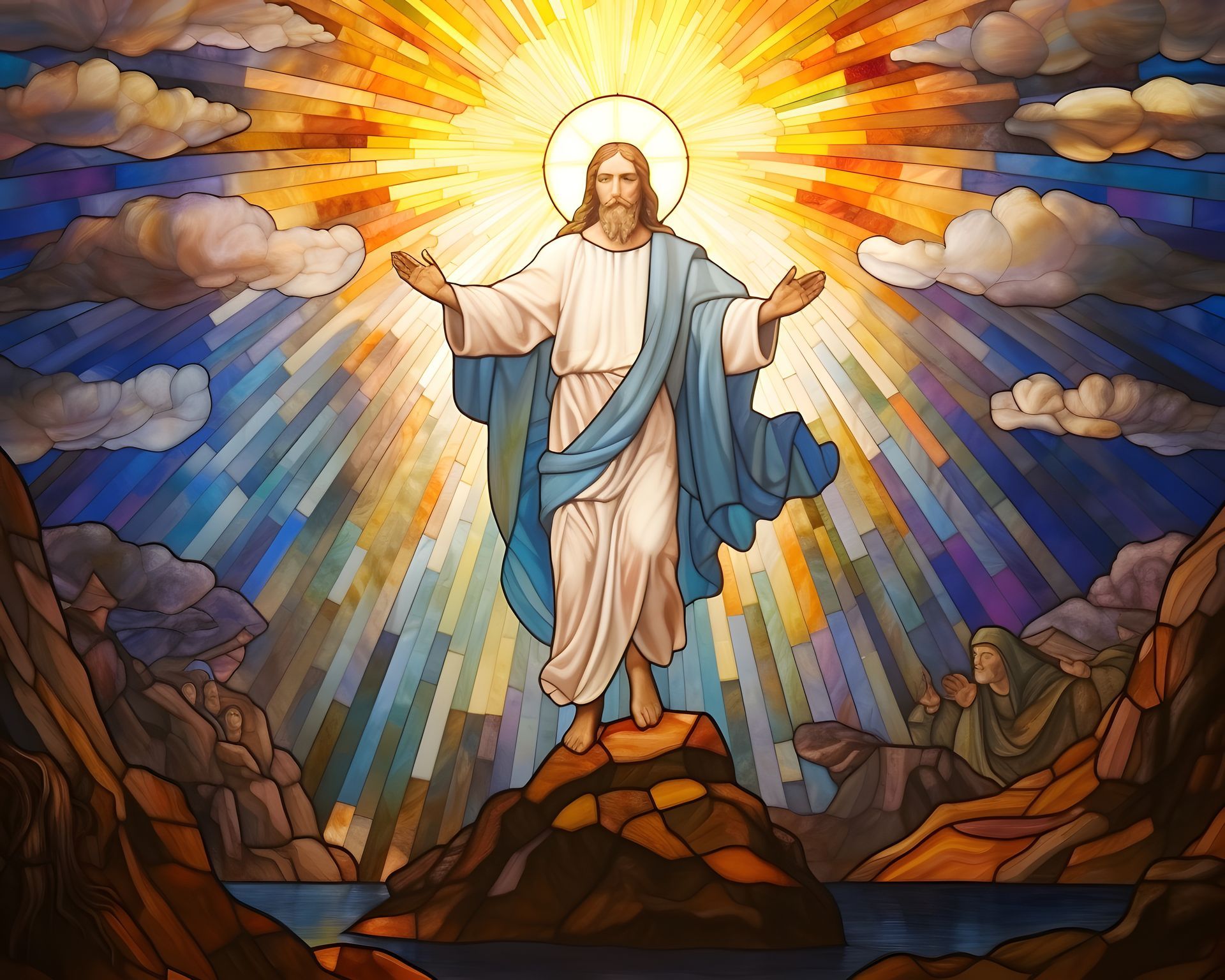
“Then beginning with Moses and all the prophets, he interpreted to them what referred to him in all the scriptures…while he was with them at table, he took bread, said the blessing, broke it, and gave it to them.” (Luke 24,27.30)
The episode of the two disciples on the road to Emmaus reflects the spiritual reality of all Christians. Following Jesus' Passion—which had occurred the previous weekend—the two men were devastated by the thought that Jesus was no longer with them. Consequently, despair began to take root in their hearts: "But we were hoping that he would be the one to redeem Israel; and besides all this, it is now the third day since this took place." This attitude manifests in each of us whenever we gather to cele-brate the holy Eucharistic mystery; we need answers and mean-ing. It was at this precise moment that the Stranger—Jesus, the Risen One—appeared. This Sunday's Gospel serves as a gateway to understanding the Mass. Two parts—or two "tables"—present themselves to us: the Table of the Word and the Table of the Eucharistic Sacrifice. In the first, the Church does exactly what Jesus had already done for the two disciples: He explained the Scriptures to them.
The first part of the Mass offers us the opportunity to hear and understand the Word of God: "Then beginning with Moses and all the prophets, he interpreted to them what referred to him in all the scriptures." (Luke 24:27) And their reaction was positive: "Were not our hearts burning [within us] while he spoke to us on the way and opened the scriptures to us?" (Luke 24:32) The Word of God must be proclaimed and interpreted. And no one has the right to replace it with empty political rhetoric. It is the Word—not false ideologies—that sustains and nourishes faith. (Acts 4:31)
The second part of the Mass refers to the Eucharist itself. After explaining and interpreting the Scriptures to them, Jesus pro-ceeded to break the bread, as was His custom. It was at that moment that their eyes were opened and they recognized Him: "And it happened that, while he was with them at table, he took bread, said the blessing, broke it, and gave it to them." "With that their eyes were opened and they recognized him, but he vanished from their sight." (Luke 24:30-31) At the consecration of the bread and wine, it is Jesus who manifests and gives Him-self. He makes Himself known.
Finally, the two disciples retraced their steps to Jerusalem to announce to the others that Jesus had truly risen. (Luke 24:33-35) *Ite, missa est.* Go forth; the Mass is ended. It is the mission that begins after every Eucharist. And it falls to us to go out to others to proclaim the Good News of salvation and hope. Let us be disciples today, in this world that is plunging into despair and hatred.