With Opened Bible
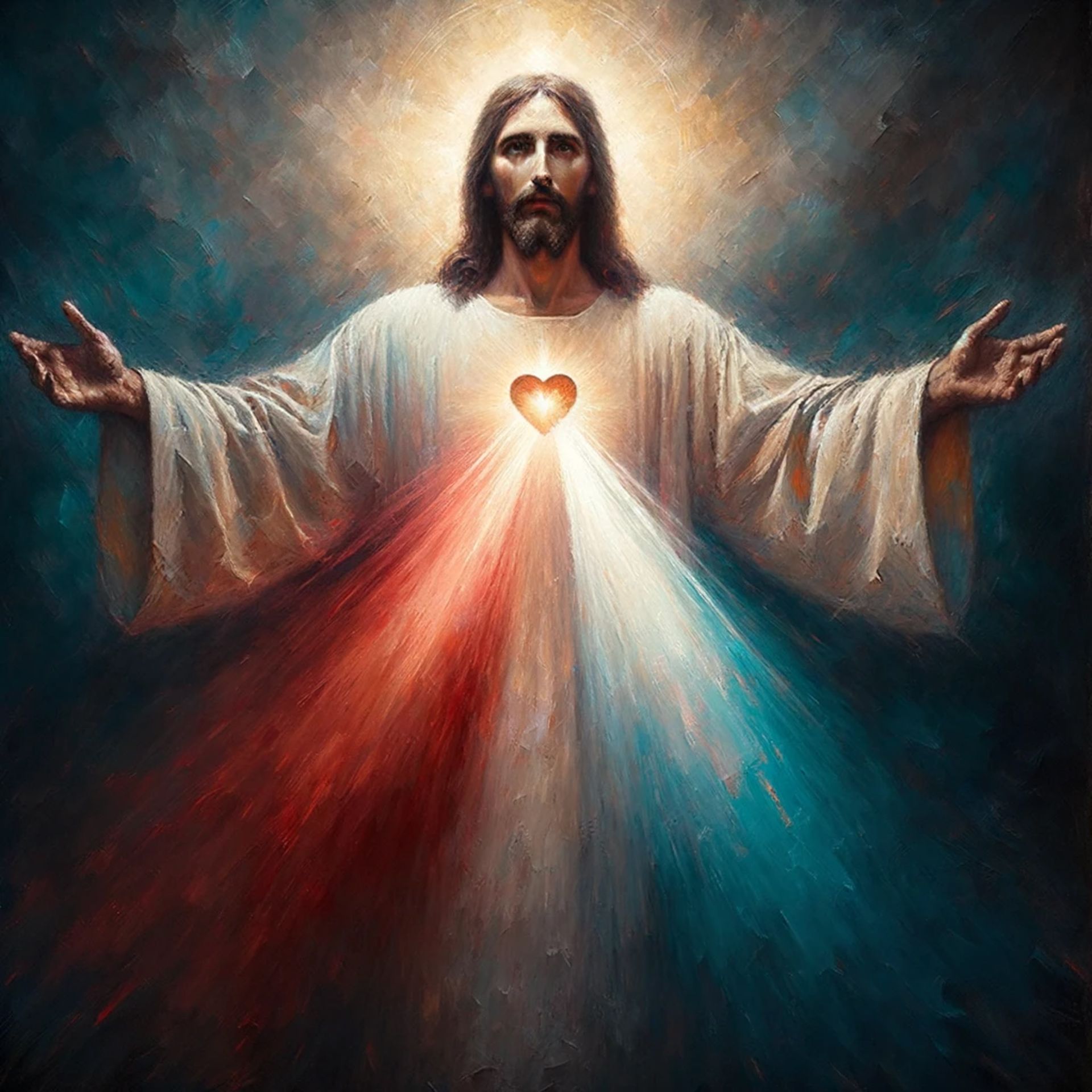
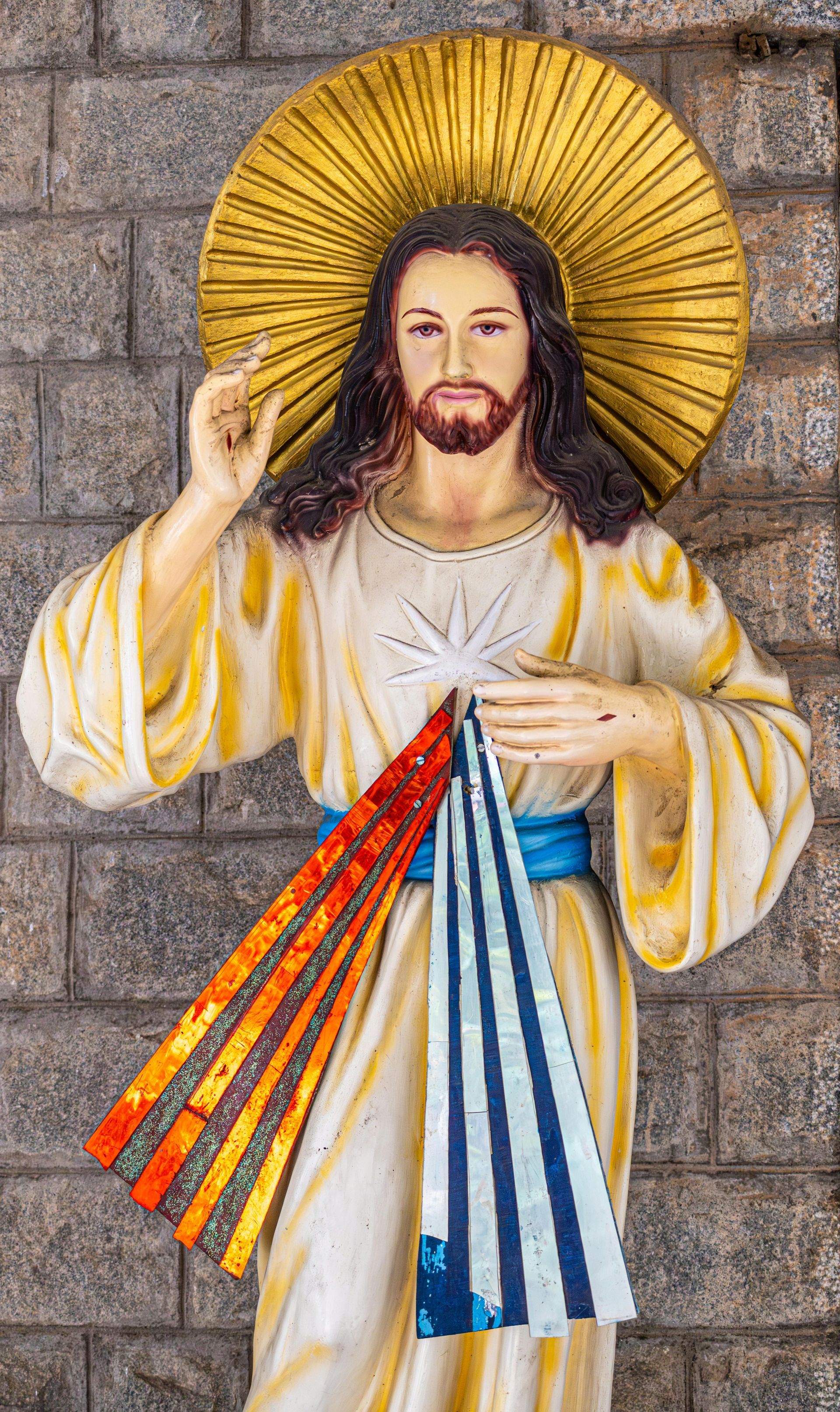
Divine Mercy
“Receive the Holy Spirit.
Whose sins you forgive are forgiven them,
and whose sins you retain are retained.” (John 20, 22-23)
The Second Sunday of Easter, known as Divine Mercy Sunday since Saint Pope John Paul II canonized Saint Faustina in 2000, highlights the Church's core mission of embodying mercy. This day reminds us that the Gospel of Saint John calls us to be stewards of mercy, not political parties or ideologies: "Receive the Holy Spirit. Whose sins you forgive are forgiven them, and whose sins you retain are retained." (John 20:23)
The Church received the gift of the Spirit in two phases: the first at the Resurrection (the Spirit is given to the Apostles for the forgiveness of sins), and the second at Pentecost (Acts 2:1ff), where the Spirit was poured out so that the Church might serve as the guarantor and voice of evangelization. These two phases constitute the same mission. In other words, Jesus intended His Church to be the place where divine mercy flows in abundance. It is what Saint Paul understood when he wrote the following to the Corinthians: "And all this is from God, who has reconciled us to himself through Christ and given us the ministry of reconciliation, namely, God was reconciling the world to himself in Christ, not counting their trespasses against them and entrusting to us the message of reconciliation. we are ambassadors for Christ, as if God were appealing through us. So, we implore you on behalf of Christ, be reconciled to God.” (2 Corinthians 5,18-20)
Indeed, the Church—animated by the Spirit of the Resurrection—must always and everywhere be a " source of divine mercy, comfort and spiritual solace for sinners." When we serve as channels of God's mercy, we uphold our mission; if we fail, we risk losing our true identity as the Church of the Risen Christ.